Tokyo Stroll Supplement: Ōta Ku
This page is for locations in the Ōta Ku area of Tokyo. This neighborhood is not part of my book Tokyo Stroll.
For information on Tokyo Stroll and this web supplement see Tokyo Stroll Supplement home page
For users of the Organic Maps, Maps.Me and Google Maps apps the items below have bookmarks you can import into those apps to make navigation easier.
Instructions and links are on the Viewing Locations in Organic Maps, Maps.Me, Google Maps, or Google Earth page.
Some entries on this page may include a note that says "Description to be added soon ." These entries are for items I felt should be listed even if the description is not ready to assist those who wish to plan a trip. When possible I included a link to an official web page, I suggest also doing web searchs for more information.
Ōta ku (大田区)
In 1947 Ōta ku was formed by a merger of Ōmori and Kamata Wards. Ōta ku is bordered on the west by Setagaya ku, south by the Tamagawa, the east by Tokyo Bay, the north by Shinagawa ku and Meguro ku. It is also the location of Haneda Airport.
Official pages for each of the ku of Tokyo will have sections of interest to visitors. These will likely be labeled as dealing with culture, tourism, or events.
Ōta-ku official site: https://www.city.ota.tokyo.jp/index.html
Anamori Inari Shrine / Anamori Inari Jinja (穴守稲荷神社)
Founded by Suzuki Yagoēmon in the early 19th century to help protect the local villagers against floods caused by levee breaches. The original location was within what is now Haneda Airport, after WWII the shrine was relocated when the airport was expanded. The shrine became popular due to a story of a man being healed there, so popular that train line to Shinagawa was originally established to carry people going to the shrine. The Anamori Inari is considered a good one for aviation and travel safety.
PILGRIMAGE: This shrine is on the Haneda Shichifuku Inari Meguri.
NEAREST TRAIN/SUBWAY STATION: Anamori-inari Station (Keikyu Airport Line)
EVENTS: In late August there is a lantern festival with around 300 illustrated lanterns displayed.
ACCESS: Enter the grounds from the east (main entrance), west or south sides.
WEB: http://anamori.jp/
Haginaka Shrine / Haginaka Jinja (萩中神社)
The founding date of this shrine is unknown records from the late Edo Period refer to it as Shinmei Shrine. In the Meiji Period it was classed as a village shrine. When the floods of 1917 destroyed Tōkanmori Inari Shrine it was relocated to the grounds of Haginaka Shrine where it remains today.
NEAREST TRAIN STATION: Kōjiya Station (Keikyū Airport Line)
WEB: NNN-Link
Haneda Shrine / Haneda Jinja (羽田神社)
Description to be added soon
NEAREST TRAIN/SUBWAY STATION: Otorii Station (Keikyū Airport Line)
WEB: https://www.hanedajinja.com/index.htm
Happy Ferris Wheel / Shiawase no kanran-sha (幸せの観覧車)
On the Tokyu Plaza rooftop Description to be added soon
NEAREST TRAIN/SUBWAY STATION: Kamata Station (JR Keihin-Tohoku Line, Tokyu Tamagawa Line, Tokyu Ikegami Line)
WEB: https://kamata.tokyu-plaza.com/kamataen/
Heiwa No Mori Park / Heiwa No Mori Kōen (平和の森公園)
Aka Peace Forest Park Description to be added soon
NEAREST TRAIN/SUBWAY STATION: Heiwajima Station (Keikyū Main Line)
WEB: https://www.city.ota.tokyo.jp/shisetsu/park/heiwanomori.html
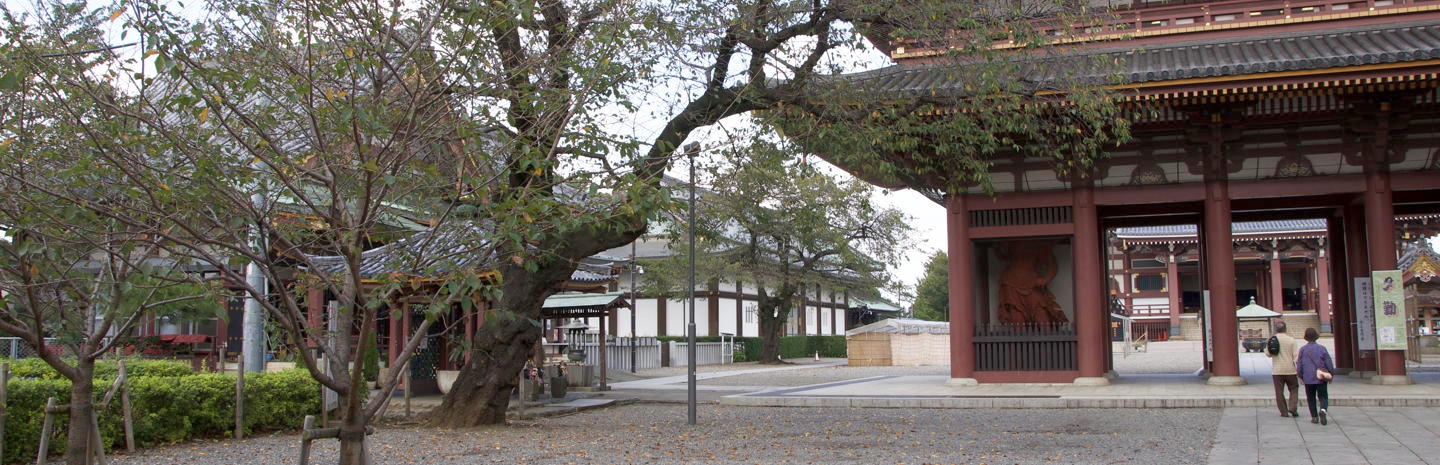
A Buddhist temple founded near the end of the 13th century Honmonji is an administrative center of the Nichiren school. Originally Honmonji was a private temple, Hokkedō, on the estate of Ikegami Munenaka, a vassal of the Kamakura shōgunate. Nichiren himself died at the estate while on a trip to what is now Ibaraki Prefecture. Nichiren was cremated here and interred at the temple Kuonji on Mount Minobe in Yamanashi prefecture. Ikegami donated part of his estate after Nichiren's death, this included the Hokkedō, to Nichiren’s disciples. In time the complex grew and the name was changed to Ikegami Honmonji. The amount of land in Ikegami's donation was 69,384 tsubo, which is the number of Chinese characters in the Lotus Sūtra.
The temple buildings were built during the Edo Period. The oldest five-story pagoda in the Kantō region is on the grounds and listed as an Important Cultural Property of Japan. It was completed in 1608 as a donation of Tokugawa Hidetada, the second Tokugawa shōgun. The Large stone stairway to the grounds has 96 steps and was a donation of Katō Kiyomasa the daimyō of Higo. The octagonal kyōzō, sūtra repository, is from 1784. On the west side of the complex is a red pagoda, the Tahōtō, built on the site of Nichiren’s cremation.
During the firebombing of Tokyo on April 15, 1945 much of the complex was destroyed. The main gate, the two pagodas, kyōzō, were not harmed. Niōmon was restored in 1977 The main hall, the Shakaden was built in 1969 and the Reihōden was also constructed.
The temple graveyard has the graves of many notable persons such as Oman no Kata one of Tokugawa Ieyasu's concubines and the nurse of Tokugawa Hidetada. There are also many graves belonging to women of the Kishū branch of the Tokugawa. A famous 20th century grave is that of Rikidōzan the professional wrestler.
During the Boshin War the imperial army took over the temple complex for their headquarters in preparation to attack Edo. The shōgunate negotiator Katsu Kaishū came here to arrange the surrender of the city with Saigō Takamori head of the imperial troops. Their negotiation took place in the temple garden, the Shōtōen. The Shōtōen is at times opened up for public viewing.
NEAREST TRAIN/SUBWAY STATION: Ikegami Station (Tōkyū Ikegami Line), Nishi-magome Station (Toei Asakusa Line)
EVENTS: Oeshiki festival October 11 to 13
WEB: https://honmonji.jp/index.html
Ikegami Plum Garden / Ikegami Baien (池上梅園)
Description to be added soon
NEAREST TRAIN/SUBWAY STATION: Ikegami Station (Tokyu Ikegami Line)
WEB: https://www.city.ota.tokyo.jp/shisetsu/park/ikegamibaien.html
Jissōji (實相寺)
Description to be added soon
NEAREST TRAIN/SUBWAY STATION: Ikegami Station (Tokyu Ikegami Line)
WEB: http://www.ikegamijissouji.jp
Jonanjima Seaside Park / Jōnanjima Kaihin Kōen (城南島海浜公園)
Description to be added soon
NEAREST TRAIN/SUBWAY STATION: Ryūtsū Center Station (Tokyo Monorail)
WEB: https://seaside-park.jp/park_jonan/
Kamata Hachiman Shrine / Kamata Hachiman Jinja (蒲田八幡神社)
Description to be added soon
NEAREST TRAIN/SUBWAY STATION: Keikyū-Kamata Station (Keikyu Main Line, Keikyu Airport Line)
WEB: https://www.kamatahachiman.org
Kamata Onsen (蒲田温泉)
Tattoos are allowed, they sell t-shirts.Description to be added soon
NEAREST TRAIN/SUBWAY STATION: Keikyū-Kamata Station (Keikyu Main Line, Keikyu Airport Line), Zōshiki Station (Keikyū Main Line)
WEB: https://kamata-onsen.com
Kamome Inari Shrine / Kamome Inari Jinja (鴎稲荷神社)
The inscription at the torii for this shrine has a date of the second year of the Kōka era (1845), this is interpreted to mean the shrine was established before that date. The shrine was built for protection from flood, fire, and disease. Legend says that when fishermen prayed here they would see flocks of seagulls indicating there would be a good catch, hence the name of the shrine as kamome means seagull the name can also be translated as Seagull Inari Shrine. The shrine was rebuilt in 1924, it was destroyed in the bombing raids of 1945 and rebuilt.
PILGRIMAGE: This shrine is on the Haneda Shichifuku Inari Meguri.
NEAREST TRAIN/SUBWAY STATION: Anamori-inari Station (Keikyū Airport Line)
EVENTS: The first Horse Day of the year in the old lunar calendar is special at inari shrines and at this shrine drums are beaten and bonfires lit.
Kōjiya Shopping Street / Kōjiya Shōtengai (糀谷商店街)
Description to be added soon
NEAREST TRAIN/SUBWAY STATION: Kōjiya Station (Keikyū Airport Line)
WEB: https://www.koujiya-shop.com
Kumagai Tsuneko Memorial Hall / Kumagai Tsuneko Kinenkan (熊谷恒子記念館)
Description to be added soon
NEAREST TRAIN/SUBWAY STATION: Nishi-Magome Station (Toei Asakusa Line)
WEB: https://www.ota-bunka.or.jp/facilities/kumagai
Magome Bunshimura (馬込文士村)
Aka Magome Writer's Village Description to be added soon
NEAREST TRAIN/SUBWAY STATION: Ōmori Station (JR Keihin-Tōhoku Line)
WEB: https://www.magome-bunshimura.jp
Myōhō Inari Shrine / Myōhō Inari Jinja (妙法稲荷神社)
After floods in 1801 this shrine was established as a branch of Fushimi Inari-taisha in Kyoto Prefecture. A small shrine was built under a large pine tree under which a white snake lived so the shrine got the nickname of Hebi Inari, Snake Inari, (蛇稲荷). Both the pine tree and shrine burned down in 1923 due to the fires from the Great Kantō Earthquake. Locals built a small octagonal Buddhist building on the stump of the tree which was named Myōhō Inari, it was destroyed in the firebombings of WWII. The current building dates from 1956.
PILGRIMAGE: This shrine is on the Haneda Shichifuku Inari Meguri.
NEAREST TRAIN STATION: Kōjiya Station (Keikyū Airport Line)
WEB: NNN-Link
Nishirokugō Park / Nishi-Rokugō Kōen (西六郷公園)
Giant monsters made from tires. Description to be added soon
NEAREST TRAIN/SUBWAY STATION: Zōshiki Station (Keikyū Main Line)
WEB: https://www.city.ota.tokyo.jp/shisetsu/park/nishirokugou.html
Nitta Shrine / Nitta Jinja (新田神社)
Description to be added soon
NEAREST TRAIN/SUBWAY STATION: Musashi-Nitta Station (Tokyu Tamagawa Line)
WEB: https://nittajinja.org
Ōmori Furusato no Hamabe Park / Ōmori Furusato no Hamabe Kōen (大森ふるさとの浜辺公園)
Description to be added soon
NEAREST TRAIN/SUBWAY STATION: Ōmorimachi Station (Keikyū Main Line)
WEB: https://www.city.ota.tokyo.jp/shisetsu/park/oomorifurusatonohamabe.html
Ōmori Nori Museum / Ōmori Nori no Furusato-kan (大森 海苔のふるさと館)
Description to be added soon
NEAREST TRAIN/SUBWAY STATION: Heiwajima Station (Keikyū Main Line)
WEB: https://www.norimuseum.com
Ōta Ku Katsu Kaishū Memorial Museum / Ōta kuritsu katsu kaishū kinen-kan (大田区立勝海舟記念館)
Description to be added soon
NEAREST TRAIN/SUBWAY STATION: Senzoku-ike Station (Tokyu Ikegami Line)
WEB: https://www.city.ota.tokyo.jp/shisetsu/hakubutsukan/katsu_kinenkan/index.html
Ozaki Shirō Memorial Museum / Ozaki Shirō Kinenkan (尾崎士郎記念館)
Description to be added soon
NEAREST TRAIN/SUBWAY STATION: Ōmori Station (JR Keihin-Tōhoku Line)
WEB: https://en.ota-bunka.or.jp/facilities/ozaki
Pura Mall Umeyashiki Shopping Street / Pura mōru Umeyashiki shōten machi (ぷらもーる 梅屋敷商店街)
Aka Umeyashiki Shopping District Description to be added soon
NEAREST TRAIN/SUBWAY STATION: Umeyashiki Station (Keikyū Main Line)
WEB: https://www.umeyashiki.com
Senzoku Hachiman Shrine / Senzokuike Hachimangū (洗足池八幡宮)
Description to be added soon
NEAREST TRAIN/SUBWAY STATION: Senzoku-ike Station (Tokyu Ikegami Line)
WEB: http://www.tokyo-jinjacho.or.jp/ota/5395/
Senzoku Ike Benzaiten (洗足池弁財天)
Description to be added soon
NEAREST TRAIN/SUBWAY STATION: Senzoku-ike Station (Tokyu Ikegami Line)
Senzokuike Park / Senzokuike Kōen (洗足池公園)
Description to be added soon
NEAREST TRAIN/SUBWAY STATION: Senzoku-ike Station (Tokyu Ikegami Line)
WEB: https://www.city.ota.tokyo.jp/shisetsu/park/senzokuike.html
Shigeyuki Inari Shrine / Shigeyuki Inari Jinja (重幸稲荷神社)
This shrine was constructed by villagers to pray for good crops and protection from flooding. At that time the Tamagawa was next to the shrine, the course of the river has shifted over time. A camphor tree said to have been 400 years old used to be on the shrine grounds but it was destroyed in an April 1945 air raid. This shrine is also sometimes referred to as Juko Inari Jinja.
PILGRIMAGE: This shrine is on the Haneda Shichifuku Inari Meguri.
NEAREST TRAIN STATION: Kōjiya Station (Keikyū Airport Line)
Shirauo Inari Shrine / Shirauo Inari Jinja (白魚稲荷神社)
The dates of the founding of this shrine are unknown, however the fishing village it was in was founded in the late 17th century so that time period is possible. The shrine is popular with fishermen and the name is likely due to a custom of the fishermen making offerings of Japanese icefish, shirauo, from the season's first catch. A main purpose of the shrine is considered to be protection from fire. As the shrine was not burned down in WWII it is considered effective against fires. The current main hall dates from 1967.
PILGRIMAGE: This shrine is on the Haneda Shichifuku Inari Meguri.
NEAREST TRAIN/SUBWAY STATION: Anamori-inari Station (Keikyū Airport Line)
Showa Living History Museum / Shōwa no Kurashi Hakubutsukan (昭和のくらし博物館)
Aka Showa Era Lifestyle Museum Description to be added soon
NEAREST TRAIN/SUBWAY STATION: Unoki Station (Tokyu Tamagawa Line), Shimomaruko Station (Tokyu Tamagawa Line)
WEB: https://www.showanokurashi.com
Takayama Inari Shrine / Takayama Inari Jinja (高山稲荷神社)
Located in Honhaneda 3 Chome the shrine was originally in another location in the same neighborhood. In 1929 repair work on the Rokugō embankment resulted int he shrine being moved to the current location. The shrine's name is said to come from the carpenter who built it being from Hida Takayama.
PILGRIMAGE: This shrine is on the Haneda Shichifuku Inari Meguri.
NEAREST TRAIN STATION: Ōtori Station (Keikyū Airport Line)
Tamagawa Benzaiten (玉川弁財天)
It is unsure when this shrine was founded but evidence is that a Benten-sha, Benten shrine, was in this area for some time. There was a Benten-sha established at one time in the area where Haneda Airport is now when the land was developed for rice growing. The Edo Meisho Zue (Illustrated Guide to Famous Places of Edo) has an entry for the Haneda Benzaiten south of Haneda village at the end of a sandbar. It states the shrine was moved to this location in 1711 and that a stone lantern was a landmark for ships on the bay at night. After the end of World War II the GHQ of the occupying forces requisitioned the airport in 1945 and the Benten-sha was relocated in September of that year to the present Tamagawa Benzaiten Jinja.
PILGRIMAGE: This shrine is not part of the official list of shrines on the Haneda Shichifuku Inari Meguri but is often included.
NEAREST TRAIN/SUBWAY STATION: Anamori-inari Station (Keikyū Airport Line)
Tamagawa Sengen Shrine / Tamagawa Sengen Jinja (多摩川浅間神社)
Founded in the Bunji Era (1185-1190) of the Kamakura Period by Hōjō Masako as she had followed her husband Minamoto no Yoritomo to the area when he was on a campaign. She stopped here to treat a foot injury and one day climbed Kamenokoyama, the shrine is at the sourthern part of the mount, to view Mt Fuji and pray. Sengen shrines are devoted to the worship of that mountain. The kami enshrined here is Konohanasakuya-hime, the goddess of Mt Fuji. There is an observation deck with good views of the Tamagawa and Mt Fuji. In the Shin Godzilla (Shin-Gojira) movie the location of command post along the Tamagawa is at Tamagawa Sengen.
NEAREST TRAIN/SUBWAY STATION: Tamagawa Station (Tokyu Meguro Line, Tokyu Toyoko Line, Tokyu Tamagawa Line)
EVENTS: Annual festival June 1
WEB: https://www.sengenjinja.info
Tamagawadai Park / Tamagawadai Kōen (多摩川台公園)
Description to be added soon
NEAREST TRAIN/SUBWAY STATION: Tamagawa Station (Tokyu Meguro Line, Tokyu Toyoko Line, Tokyu Tamagawa Line))
WEB: https://www.city.ota.tokyo.jp/shisetsu/park/tamagawadai.html
Tamakawadai Park Tumulus Exhibition Room (多摩川台公園古墳展示室)
The park this building is in is built on a series of kofun, ancient burial mounds for high ranking people, that were constructed here between the 4th and 7th centuries. This small museum is about the kofun in the area. The exhibition room has a reproduction of whet the inside of a mound would be like plus various objects found in them.
NEAREST TRAIN/SUBWAY STATION: Tamagawa Station (Tokyu Meguro Line, Tokyu Toyoko Line, Tokyu Tamagawa Line)
WEB: https://www.city.ota.tokyo.jp/shisetsu/hakubutsukan/kofuntejishitsu.html
Tōkanmori Inari Shrine / Tōkanmori Inari Jinja (東官守稲荷神社)
A small shrine, Tōkanmori Inari Jinja is located in the back of the grounds of Haginaka Jinja. Originally this shrine was closer to the bay, local villager at this time both farmed and fished for a living and prayed at the shrine for safety in their work. In 1917 flooding damaged the shrine and it was rebuilt on the grounds of Haginaka Jinja. In April 1945 it was destroyed in the firebombings of WWII to be rebuilt again.
PILGRIMAGE: This shrine is on the Haneda Shichifuku Inari Meguri.
NEAREST TRAIN STATION: Kōjiya Station (Keikyū Airport Line)
Tokyo Port Wildbird Park / Tōkyō Kōyachō Kōen (東京港野鳥公園)
Description to be added soon
NEAREST TRAIN/SUBWAY STATION: Ryūtsū Center Station (Tokyo Monorail)
WEB: https://www.tptc.co.jp/park/03_08
Tokyo Ryūtsū Center (東京流通センター 物流ビルA棟)
Description to be added soonNEAREST TRAIN STATION: Ryūtsū Center Station (Tokyo Monorail, JR Keihin–Tōhoku Line, JR Yamanote Line)
EVENTS: Heiwajima Antiques Fair, several times a year.
WEB: https://www.trc-inc.co.jp
Zōshiki Shopping Street / Zōshiki Shōtengai (雑色商店街)
Description to be added soon
NEAREST TRAIN/SUBWAY STATION: Zōshiki Station (Keikyū Main Line)
WEB: https://www.zoushiki.net
Back to the Tokyo Stroll Supplement home page - Privacy Notice - Back to Gilles' home page
Created October 16, 2022 | Content last updated August 28, 2026