
Tokyo Stroll Supplement: Itabashi Shichifukujin Meguri / Itabashi Seven Lucky Deities Pilgrimage

For information on Tokyo Stroll and this web supplement see Tokyo Stroll Supplement home page
For users of the Organic Maps, Maps.Me and Google Maps apps the items below have bookmarks you can import into those apps to make navigation easier.
Instructions and links are on the Viewing Locations in Organic Maps, Maps.Me, Google Maps, or Google Earth page.
Itabashi Shichifukujin Meguri / Itabashi Seven Lucky Deities Pilgrimage (板橋七福神 めぐり)
The Itabashi Shichifukujin pilgrimage was established in the 1930s by the sculptor Tanaka Kintaro, also known as Chokin. He carved simple wooden statues of the Seven Lucky Gods and donated each of them to the seven temples on the route. The statues are about 25 cm (10 inches) tall. This particular pilgrimages takes place on the first seven days of the year.
The dates for this pilgrimage are January 1st to 7th, 9:00 AM to 4:00 PM
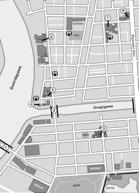
Walking Distance: Approximately 11.3 km.
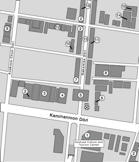
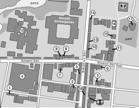
I'll leave deciding on the specific the route up to you, there is no specific sequence you have to follow. This page is just a quick list of the pilgrimage locations. For this reason I may also include links in the entries below to more information on the locations.
An'yōin (安養院)
A Shingon sect temple founded by the Kamakura shōgunate regent Hōjō Tokiyori (1227-1263). The temple bell dates from the Edo Period. The main statue is of Amida Nyorai, crowned and seated on a peacock throne, is believed to have been carved in the early Edo Period. On March 30, 1990 this statue was designated an Itabashi Ward Designated Tangible Cultural Property (Historical Material). Another significant image is housed in a zushi, a type of as miniature shrine. This zushi contains a statue in the form of a mountain that includes a statue of Shākyamuni. The zushi and it's contents were the property of Takeda Shingen, it was handed down in the Kishū Tokugawa family and eventually donated to the temple. On March 30, 1990 this statue was also designated an Itabashi Ward Designated Tangible Cultural Property (Historical Material). The grounds also contain a large kaya tree which on March 13, 1995 was registered as an Itabashi Ward Registered Monument (Natural Monument).
PILGRIMAGE: This temple is on the Itabashi Shichifukujin Meguri route for Benzaiten.
NEAREST TRAIN/SUBWAY STATION: Tokiwadai Station (Tōbu Tōjō Line)
Chōmeiji (長命寺)
A Toyoyama sect Shingon Buddhist temple, founded around 1652. Yakushi Nyorai is the main deity of the temple. In 1782 the main hall was remodeled, in 1919 and 1963 major repair were done.
PILGRIMAGE: This temple is on the Itabashi Shichifukujin Meguri route for Fukurokuju.
NEAREST TRAIN/SUBWAY STATION: Naka-Itabashi Station (Tōbu Tōjō Line)
Kanmyōji (観明寺)
A Shingon sect temple believed to have been founded during the Muromachi period. A standing statue of Sho Kannon dating from the 12th century is the main image.
The grounds include an inari shrine that had originally been on the grounds of the Kaga han residence, there is also a kōshin tower from 1661 which is a Tangible Cultural Property of Itabashi ku and a Fudō statue that is a hidden Buddha.
PILGRIMAGE: This temple is on the Itabashi Shichifukujin Meguri route for Ebisu.
NEAREST TRAIN/SUBWAY STATION: Itabashi-kuyakushomae Station (Toei Mita Line)
Monjuin (文殊院)
Founded as a Shingon temple in the Kanbun era (1661-1673), This was the family temple of the Iida family, who held the office of Itabashi-juku Honjin in the Edo Period. A honjin is a special inn for government officials. The temple contain a seated statue of Manjusri Bodhisattvā, the statue is a hidden buddha and is not displayed to the public. There is also an impressive statue of Enma the judge of the dead.
PILGRIMAGE: This temple is on the Itabashi Shichifukujin Meguri route for Bishamonten.
NEAREST TRAIN/SUBWAY STATION: Itabashi-kuyakushomae Station (Toei Mita Line)
Nōmanji (能満寺)
Description to be added soon
PILGRIMAGE : This temple is on the Itabashi Shichifukujin Meguri route for Jurōjin.
NEAREST TRAIN/SUBWAY STATION: Ekoda Station (Seibu Ikebukuro Line)
Saikōji (西光寺)
A Shingon temple dating from the Edo Period. The Shirokaki Jizō on the temple grounds is believed to date from the Muromachi Period and is the oldest Jizō statue in Itabashi Ku. The statue is of a seated Jizō in a small wooden structure. It was moved to Saikōji from its original location at Hikawa Shrine during WWII. A legend says that a local farmer was having trouble tilling his field. A young monk passing by remarked that it looked like hard work. The next morning the farmer went out to find his field fully tilled, and the lower half of the local Jizō statue was covered in mud. In 1986 the statue was registered as a Itabashi Ward Registered Tangible Folk Cultural Property.
PILGRIMAGE: This temple is on the Itabashi Shichifukujin Meguri route for Hōtei.
ACCESS: The entrance is to the south.
NEAREST TRAIN/SUBWAY STATION: Senkawa Station (Fukutoshin Line, Yūrakuchō Line) or Kotake-mukaihara Station (Fukutoshin Line, Seibu Yūrakuchō Line, Yūrakuchō Line)
Seikōin (西光院)
Description to be added soon
PILGRIMAGE: This temple is on the Itabashi Shichifukujin Meguri route for Daikokuten
NEAREST TRAIN/SUBWAY STATION: Ōyama Station (Tobu Tōjō Line), Kanamechō Station (Yūrakuchō Line and Fukutoshin Line)
Back to the Tokyo Stroll Supplement home page - Privacy Notice - Back to Gilles' home page
Created May 28, 2024 | Content last updated August 23, 2026